If your optometrist has mentioned astigmatism, you may wonder what it means for your eyesight—and why your contact lens prescription includes “toric”, CYL and AXIS. Astigmatism is the vision condition; toric describes a lens design used to correct it. They are related, but they are not two names for the same thing.
This guide explains the difference, common signs to look out for, and what to check before ordering your prescribed contact lenses online in Australia.
What is astigmatism?
Astigmatism is a common refractive error: the eye does not focus light evenly onto the retina, the light-sensitive tissue at the back of the eye. It can happen when the cornea—the clear front surface—or the lens inside the eye has different curvatures in different directions. The result may be blurred or distorted vision.
You can have astigmatism alongside short-sightedness or long-sightedness. An eye examination is needed to confirm whether it is present and what correction, if any, is appropriate.
Normal vision versus uncorrected astigmatism
In an eye without refractive error, light focuses clearly on the retina. With astigmatism, unequal focusing in different directions can make fine details look blurred, stretched or ghosted. It may affect near and distance vision.
The medical-style comparison shown with this article illustrates one possible experience. It is not an eye test, and the amount and direction of blur vary between people. A person’s eye is not literally shaped like a rugby ball; that comparison is only a simplified way to describe differing surface curvatures.
Four possible signs worth checking
- Blurred or distorted vision: text, signs or other details may look unclear.
- Squinting: you may narrow your eyes while trying to focus.
- Eye strain: reading and screen tasks may feel tiring.
- Headaches: these can sometimes accompany visual effort.

Some people notice difficulty with night vision, while mild astigmatism may cause few symptoms. If vision problems affect everyday activities, arrange an assessment with your optometrist.
What are toric contact lenses?
Toric contact lenses provide different focusing powers in different directions to correct regular astigmatism. A standard spherical lens does not provide the same cylinder correction. Choosing a higher spherical power is not a substitute for selecting the lens prescribed for you.
Toric lenses also need to sit in the correct orientation. Their designs include stabilisation features to help maintain alignment. Your optometrist checks vision, fit and rotation during a contact lens fitting; that assessment matters as much as the numbers printed on the box.
Understanding CYL and AXIS
| Prescription field | What it means |
|---|---|
| SPH / PWR | The spherical correction for short- or long-sightedness |
| CYL | The cylinder power used for astigmatism correction |
| AXIS | The orientation of the cylinder correction, in degrees |
| BC and DIA | Base curve and diameter: lens fitting specifications |
A larger AXIS number does not mean stronger astigmatism. Check all fields for each eye and use a current contact lens prescription. A glasses prescription is not a substitute. Read our guide to reading your contact lens prescription for a closer look.
Daily, fortnightly or monthly toric lenses?
Toric lenses come in different replacement schedules. The appropriate option depends on professional fitting and your prescribed routine. Daily disposables are discarded after use; reusable lenses need cleaning and disinfection as directed.
If these are your prescribed products, LensDirectAu stocks 1-Day Acuvue Moist for Astigmatism/Toric (30 Pack) and Clariti 1 Day Toric (30 Pack) as daily options. Acuvue Oasys for Astigmatism/Toric (6 Pack) is a fortnightly option, while Biofinity Toric (6 Pack) is a monthly option.
These links help you find an existing prescription, rather than choose treatment yourself. Do not switch brands, lens models or replacement schedules without your optometrist’s advice.
Can astigmatism be corrected?
Glasses and appropriate contact lenses can improve vision affected by astigmatism. Some people may be suitable for refractive surgery following specialist assessment. Toric contacts correct vision while worn; they do not permanently reshape the eye.
Before ordering your toric lenses
- Match the exact prescribed brand and lens model.
- Check SPH, CYL and AXIS separately for each eye, along with BC and DIA.
- If a required value is unavailable, ask your optometrist instead of rounding or substituting it.
- Follow your prescribed wearing and replacement schedule.
Browse the linked products once you have confirmed your prescription. If you are new to contact lenses, start with a professional contact lens fitting.
This article provides general education and does not replace personalised eye-care advice. If contact lenses cause redness, discomfort or changes in vision, remove them and contact your eye-care professional promptly.
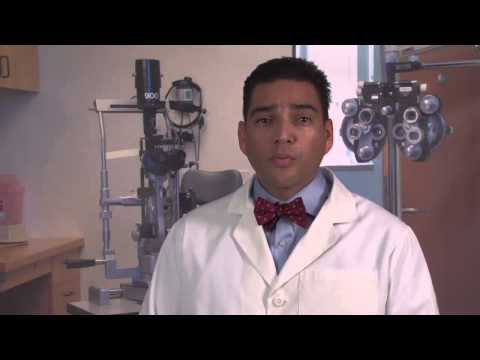
Watch: what is astigmatism, and how is it treated?
The following educational video is provided by EyeSmart — American Academy of Ophthalmology. The article above explains toric lenses; this video gives an additional overview of astigmatism and treatment.